
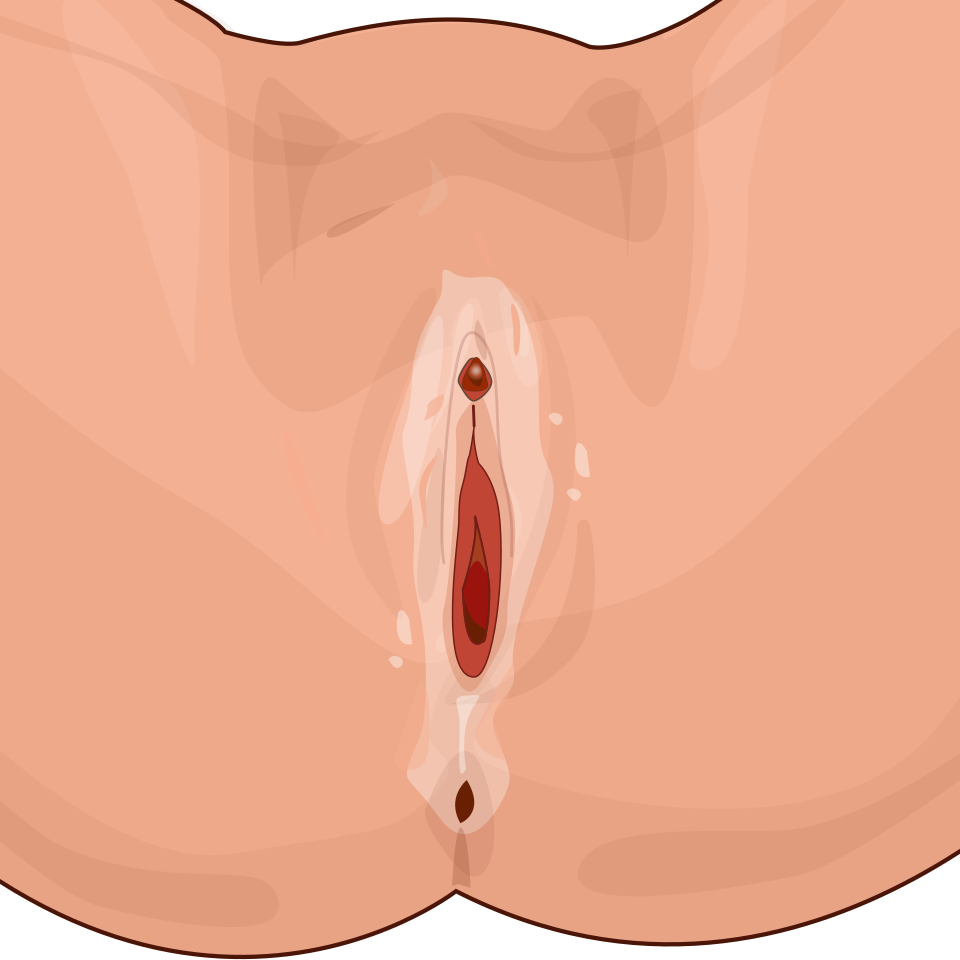
Lichen Sclerosus
1. Background information
a. Definition
A chronic inflammatory skin condition affecting mainly the anogenital region, causing itching, pain, and progressive skin changes, with risk of scarring and malignancy.
b. Clinical classification
By site
- Genital (most common)
- Vulval (♀)
- Penile (♂)
- Extragenital (less common)
By patient group (AKT pattern)
- Women (postmenopausal most common)
- Men (uncircumcised)
- Children (prepubertal)
c. Etiopathophysiology
- Exact cause unknown
Proposed mechanisms:
- Autoimmune (association with thyroid disease, vitiligo)
- Genetic predisposition
- Chronic irritation / trauma
Pathological effects
- Inflammation → epidermal thinning + dermal sclerosis
- → fragile, white “parchment-like” skin
- → scarring and architectural changes
Complication (AKT critical)
- ↑ risk of Vulval squamous cell carcinoma (~5%)
2. Assessment
a. Clinical presentation
Symptoms
- Intense pruritus (key feature)
- Soreness / pain
- Dyspareunia
- Dysuria (if severe)
Signs (AKT classic)
- Porcelain-white plaques
- Thin, shiny “parchment-like” skin
- Ecchymosis / fissures
- Scarring
Female features
- “Figure-of-8” pattern around vulva and anus
- Loss of labial architecture
- Introital narrowing
Male features
- Tight foreskin (phimosis)
- White patches on glans
Red flags
- Persistent ulceration
- Induration / lump
- Non-healing lesions
→ think malignancy
b. Relevant investigations
NICE CKS approach: clinical diagnosis
- Usually no biopsy required if classic
Indications for biopsy:
- Diagnostic uncertainty
- Suspicion of malignancy
- Treatment-resistant disease
Additional
- Consider autoimmune screen if indicated
AKT pearl
- Do not delay treatment waiting for biopsy if classic
3. Management (UK NICE CKS-based)
a. Emergency care
- Not usually required
Rare scenarios:
- Severe urinary obstruction (e.g. phimosis) → urgent urology
b. Referral
Refer urgently (2WW)
- Suspicion of cancer (non-healing ulcer, mass)
Routine referral
- Diagnostic uncertainty
- Poor response to treatment
- Children (often specialist-led)
- Severe scarring / anatomical changes
c. Primary care management
1. First-line treatment (AKT MUST KNOW)
- Ultra-potent topical corticosteroid
- e.g. clobetasol propionate
Typical regimen (AKT pattern)
- Daily for 1 month
- Alternate days for 1 month
- Twice weekly for 1 month
→ then maintenance
2. Maintenance therapy
- Intermittent steroid use (e.g. 1–2× weekly)
- Prevent relapse
3. General measures
- Emollients (soap substitute)
- Avoid irritants (perfumed products)
- Good genital hygiene
4. Male management
- Consider circumcision if:
- Persistent phimosis
- Poor response to steroids
5. Follow-up (AKT important)
- Long-term follow-up required
- Educate patient on:
- Self-examination
- Cancer risk
AKT Exam Pearls
- Intense vulval itching + white plaques = lichen sclerosus
- First-line = ultra-potent topical steroid (clobetasol)
- “Figure-of-8” distribution (♀) = classic
- Risk of squamous cell carcinoma → long-term follow-up
- Biopsy if:
- Atypical
- Not responding
- Suspicious lesion