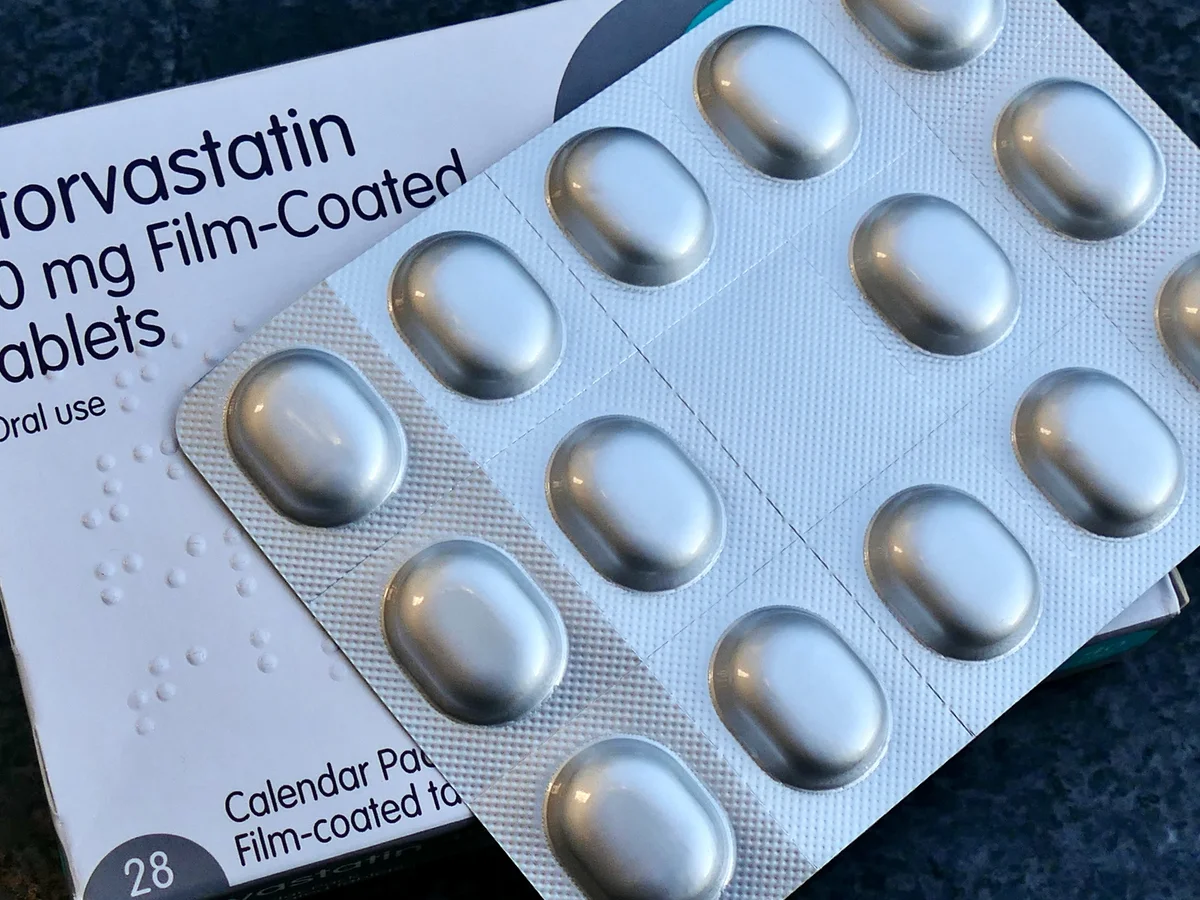
Statins
1. Background information
a. Definition
- HMG-CoA reductase inhibitors
- First-line lipid-lowering therapy for cardiovascular disease (CVD) prevention
- Examples: atorvastatin, simvastatin, rosuvastatin
- Reduce LDL (“bad”) cholesterol
b. Mechanism of action
- Inhibit HMG-CoA reductase (rate-limiting step in cholesterol synthesis)
- ↓ hepatic cholesterol → ↑ LDL receptor expression → ↑ LDL clearance
- Additional effects:
- Plaque stabilisation
- Anti-inflammatory effects
c. Indications (NICE NG238 aligned)
- Primary prevention
- ≥10% 10-year CVD risk (QRISK)
- Secondary prevention
- Established CVD (MI, stroke, PAD)
- Diabetes (Type 1 & 2)
- Chronic kidney disease
- Familial hypercholesterolaemia
2. Assessment
a. Contra-indications
Absolute:
- Active liver disease
- Unexplained persistent ↑ transaminases
- Pregnancy / breastfeeding
Caution:
- Heavy alcohol use
- Hypothyroidism (↑ myopathy risk)
- Renal impairment
- History of statin intolerance
b. Drug interactions (HIGH-YIELD)
Increase statin levels → ↑ myopathy risk:
- Macrolides (clarithromycin, erythromycin)
- Azole antifungals
- Amiodarone
- Verapamil / diltiazem
- Grapefruit juice
👉 Especially important for simvastatin
c. Toxicity
1. Muscle toxicity (KEY EXAM TOPIC)
- Myalgia (common)
- Myopathy (↑ CK)
- Rhabdomyolysis (rare, life-threatening)
2. Hepatic
- ↑ ALT/AST (usually mild, reversible)
3. Metabolic
- Slight ↑ risk of type 2 diabetes
d. ECG features
- ❌ No specific ECG changes
e. Monitoring (WITH TIMELINES – VERY HIGH YIELD)
Baseline (before starting)
- Lipid profile
- LFTs (ALT)
- HbA1c (if diabetes risk)
- CK (only if muscle symptoms or high risk)
After initiation / dose change
- LFTs:
- At 3 months
- At 12 months
- Not routinely thereafter unless indicated
Lipid monitoring
- Repeat at 3 months
- Aim: ≥40% reduction in non-HDL cholesterol (NICE target)
CK monitoring
- NOT routine
- Check only if:
- Muscle symptoms
- High-risk patient
Ongoing monitoring
- Lipids:
- Annually (or as clinically indicated)
- LFTs:
- Only if clinically indicated
Clinical monitoring
- Ask about:
- Muscle pain/weakness
- Adherence
- Lifestyle factors
3. Management (NICE CKS aligned)
a. Side effects AND what to do
| Side effect | Action |
|---|---|
| Mild muscle pain | Continue + monitor |
| Severe muscle pain / weakness | Check CK |
| CK >5× ULN | STOP statin |
| Suspected rhabdomyolysis | URGENT admission |
| ↑ LFTs (<3× ULN) | Continue + monitor |
| ↑ LFTs (>3× ULN) | STOP statin |
| GI symptoms | Reassure / adjust dose |
👉 If intolerance:
- Try different statin
- Use lower dose or alternate-day dosing
b. Use in Primary Care
- Main setting of prescribing
- Initiation and titration done in GP
- Common regimen:
- Atorvastatin 20 mg (primary prevention)
- Atorvastatin 80 mg (secondary prevention)
- GP responsibilities:
- Risk assessment (QRISK)
- Monitoring (lipids, LFTs)
- Lifestyle counselling
c. Use in Secondary Care
- Initiation post:
- Acute coronary syndrome
- Stroke/TIA
- High-intensity therapy:
- Atorvastatin 80 mg (unless contraindicated)
- Specialist involvement:
- Statin intolerance
- Familial hypercholesterolaemia
- Complex dyslipidaemia
🔑 AKT ULTRA-HIGH YIELD SUMMARY
- MOA = ↓ cholesterol synthesis → ↑ LDL clearance
- Indications = primary + secondary CVD prevention
- Target = ≥40% ↓ non-HDL cholesterol
- Check LFTs at baseline, 3 months, 12 months
- Myalgia = common, rhabdomyolysis = rare
- CK only if symptoms
- STOP if CK >5× ULN or ALT >3× ULN
- No ECG changes